FREE Registration = Exclusive Member Prices — Join Now

My Cart
Understanding Spark Plugs — The Small Part That Powers Your Engine
Understanding Spark Plugs — The Small Part That Powers Your Engine
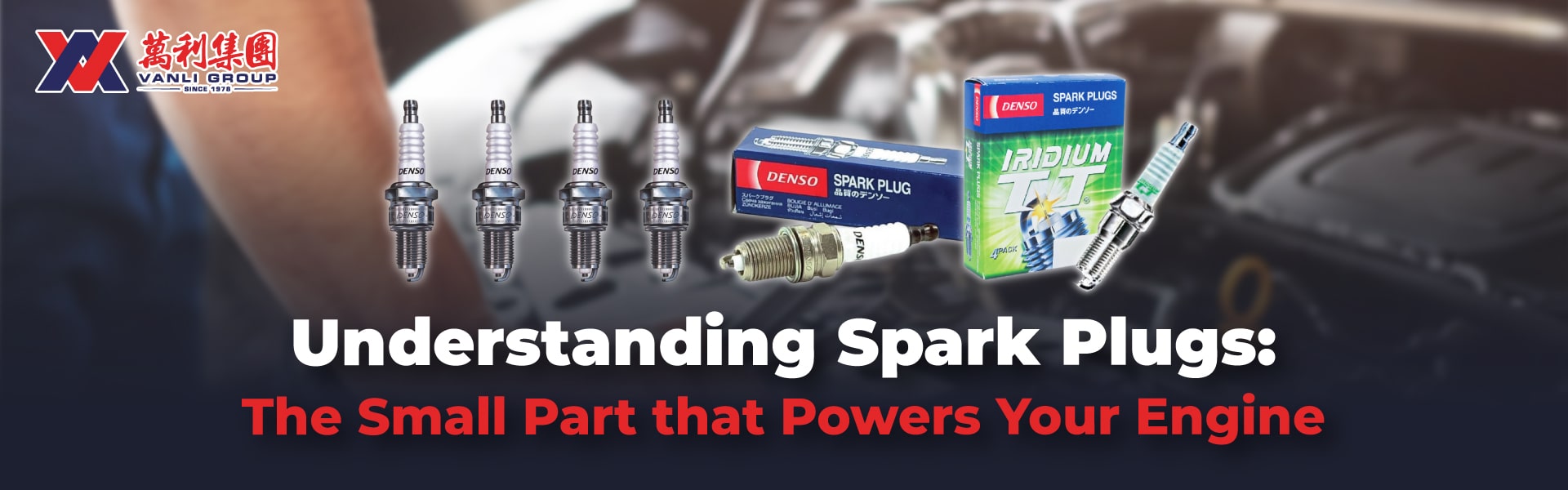
When you start your car, the first thing that springs into action inside your engine is the spark plug. It might look like a tiny part, but it plays one of the most critical roles in engine performance and fuel efficiency.
Let’s take a closer look at what a spark plug does, the symptoms of a bad one, and how to keep your engine running at its best.
1. What Is a Spark Plug?
A spark plug is a small electrical device installed in each cylinder of your engine. Its job is to ignite the air-fuel mixture by creating a spark — the explosion that powers your car.
Every time your engine fires, the spark plug produces a tiny but powerful spark (up to 30,000 volts or more!). This happens thousands of times per minute while you drive.
Without a proper spark plug, your engine can’t start or run smoothly.
2. How It Works?
Here’s a simple breakdown of how a spark plug works in the ignition system:
The ignition coil generates high voltage.
The voltage travels through the ignition cable to the spark plug.
The spark jumps across the gap between the center and ground electrode.
This spark ignites the compressed air-fuel mixture in the cylinder.
The explosion pushes the piston down — and your engine produces power!
This process repeats continuously while the engine runs.
3. Symptoms of a Bad or Worn-Out Spark Plug
A failing spark plug can affect your car’s performance in many ways. Look out for these common symptoms:
Hard Starting: Engine takes longer to start or needs multiple tries.
Rough Idling: Engine shakes or vibrates at idle.
Poor Acceleration: Weak or delayed response when you step on the gas.
High Fuel Consumption: Incomplete combustion wastes fuel.
Engine Misfire or Hesitation: You may feel jerking while driving.
Check Engine Light On: ECU detects ignition-related errors.
When spark plugs wear out, they can no longer produce a strong enough spark to ignite fuel properly.
4. Causes of Spark Plug Failure
Normal wear and tear: Electrodes wear down over time due to heat and constant sparking.
Carbon buildup: Poor combustion causes black deposits on the plug.
Oil fouling: Oil leaking into the combustion chamber coats the plug.
Incorrect spark plug type: Using the wrong heat range or material can shorten lifespan.
5. When to Replace Your Spark Plugs
Replacement intervals vary depending on your car model and spark plug type:
Copper and Nickel type: 20,000 – 30,000 km, advantage is Good performance, lower lifespan
Platinum type: 60,000 – 80,000 km, advantage is Longer lasting, good balance
Iridium type: 100,000 – 120,000 km, advantage is High-end performance, best durability
Tip: Always check your vehicle’s manual for the correct spark plug specification and replacement schedule.
6. Why Quality Matters?
A high-quality spark plug ensures:
Consistent ignition performance
Better fuel efficiency
Lower emissions
Smoother engine operation
Choosing reputable brands and proper heat range spark plugs can prevent misfires and costly repairs.
Summary:
In short, the spark plug may be small, but it’s the heart of your engine’s ignition system. Replacing it at the right time can dramatically improve your car’s performance, fuel economy, and reliability.
Share

Validate your login