FREE Registration = Exclusive Member Prices — Join Now

My Cart
What is a Fuel Pump? Basic Knowledge – Functions and Failure Symptoms
What is a Fuel Pump? Basic Knowledge – Functions and Failure Symptoms
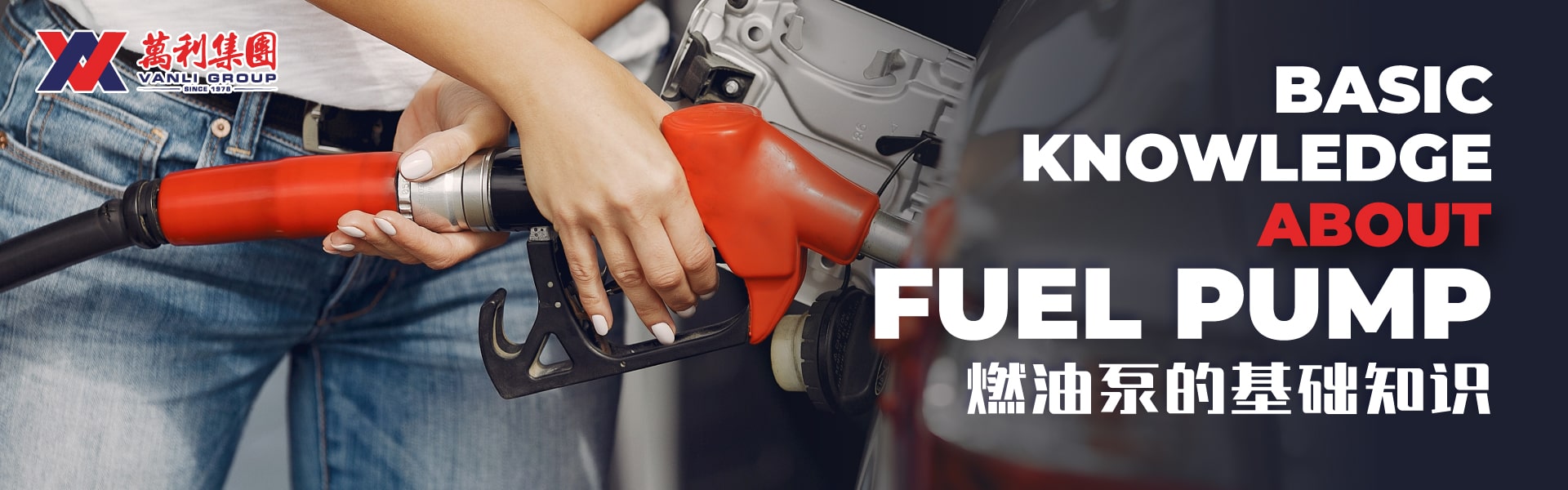
Many people don’t realize that our cars have an important component called the fuel pump. So, how important is it? Let’s talk about it today.
First of all, the main function of the fuel pump is to deliver fuel from the tank to the engine while maintaining stable pressure, so that the fuel injectors can work properly.
Most modern cars use in-tank electric fuel pumps, while some older models or diesel vehicles use external fuel pumps.
So, what are the warning signs before a fuel pump fails?
Hard starting – The engine takes longer to crank, especially when the car is cold.
Stalling while driving – The engine suddenly shuts off while driving, but may restart after a short break.
Loss of power – Noticeable lack of power during acceleration, climbing hills, or overtaking.
Unstable idling – Engine RPM fluctuates, with slight vibrations.
Unusual noise – A sharp whining or buzzing sound coming from the fuel tank area.
Check Engine Light – May come on due to low fuel pressure (e.g., error code P0087).
What are the common causes of fuel pump failure?
Driving frequently with low fuel – running the tank near empty too often.
Clogged fuel filter – restricts flow and puts extra strain on the pump.
Poor fuel quality – impurities or water in the fuel can cause damage.
Wear and tear over time – aging and mechanical degradation from long-term use.
So how can we extend the lifespan of the fuel pump?
Keep at least 1/4 fuel in the tank – avoid running on very low fuel.
Replace the fuel filter regularly – ensures smooth fuel flow and reduces strain on the pump.
Check fuel pressure first when issues arise – don’t rush to replace the pump without proper diagnosis.
In summary, the fuel pump is like the heart of your car, delivering fuel to the engine to keep it running. Once the fuel pump stops working, the engine will stall. If this happens while driving and the engine suddenly loses power, it can be very dangerous.
But don’t panic — if such a situation occurs:
Share

Validate your login