FREE Registration = Exclusive Member Prices — Join Now

My Cart
What is brake fluid? and why it is so important?
What is brake fluid? and why it is so important?
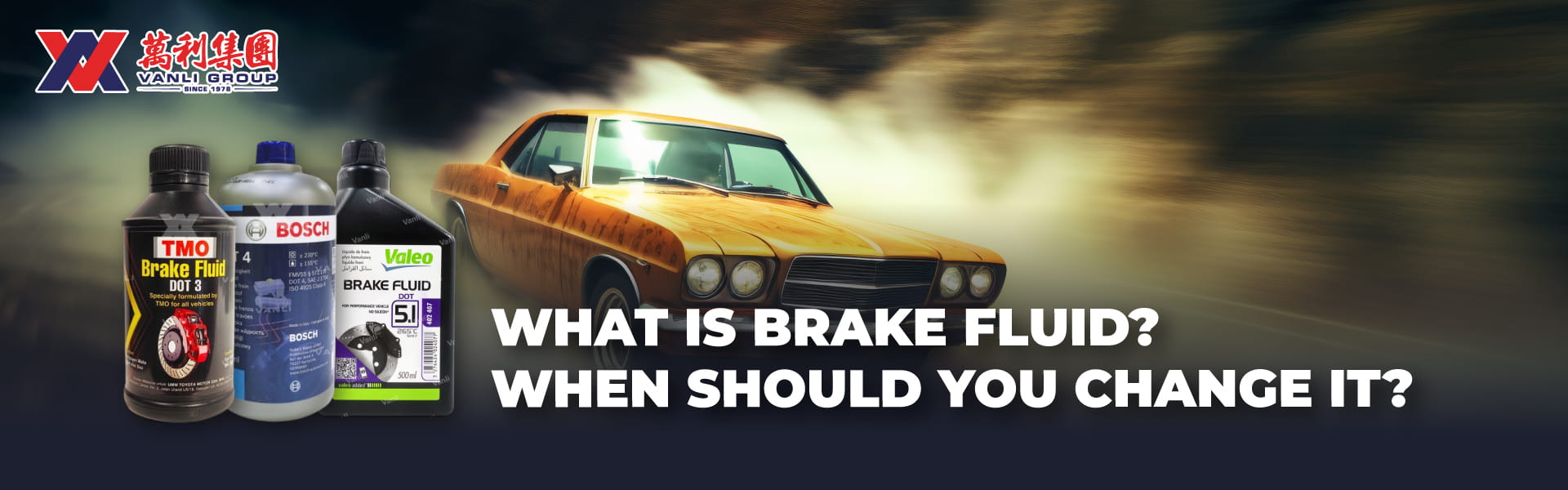
Brake Fluid Explained — Why It Matters and When to Replace It?
When it comes to vehicle safety, brake fluid is one of the most critical yet often overlooked components.
Even with high-quality brake pads and brake discs, your braking system cannot function properly without good brake fluid.
1. What Is Brake Fluid?
Brake fluid is a hydraulic fluid that transfers the brake force from your brake pedal to yout car wheels.
Simply put, brake fluid is the medium that transfers braking force.
2. Why Brake Fluid Is Important?
High-quality brake fluid ensures:
Fast and consistent brake response
Stable braking performance under high temperatures
Protection against internal corrosion
Safe and predictable stopping power
Degraded brake fluid can lead to longer braking distances or even brake failure.
3. Common Brake Fluid Types (DOT Ratings):
Brake fluids are classified by DOT (Department of Transportation) standards. Mainly has 4 types:
Important: DOT 5 (silicone-based) must NOT be mixed with DOT 3, DOT 4, or DOT 5.1.
4. Signs of Worn or Contaminated Brake Fluid:
Brake fluid does not last forever. Common warning signs include:
Soft or spongy brake pedal
Longer braking distance
Brake fade during repeated or hard braking
Delayed brake response
Dark or cloudy brake fluid color
These issues occur because brake fluid absorbs moisture over time, lowering its boiling point and allowing air bubbles to form under heat.
5. When Should You Replace Brake Fluid?
General replacement recommendations:
Every 2 years or 40,000 km, whichever comes first
Earlier replacement may be needed if:
You drive in mountainous areas
The vehicle is frequently heavily loaded
Brake system components have been serviced
Moisture content tests show high water contamination
Lastly, Professional testing of moisture content is strongly recommended.
6. Why You Should Never Ignore Brake Fluid?
Neglecting brake fluid maintenance can cause:
Brake fluid boiling and brake failure
Internal corrosion of brake components
Damage to master cylinders and calipers
High repair costs and safety risks
7. Brake Fluid Maintenance Tips:
Always use brake fluid that meets manufacturer specifications
Do not mix different DOT types unless approved
Ensure proper bleeding to remove air from the system
Brake fluid replacement should be done by a trained technician
Conclusion:
Brake fluid may not be visible during everyday driving, but it plays a vital role in vehicle safety.
Replace it at recommended intervals
Use the correct DOT specification
Inspect it regularly for contamination
A small bottle of quality brake fluid can make a huge difference in braking performance and safety.
Share

Validate your login