FREE Registration = Exclusive Member Prices — Join Now

My Cart
What’s the difference between Genuine (Original) and OEM Brake Pads? How should you choose?
What’s the difference between Genuine (Original) and OEM Brake Pads? How should you choose?
What’s the difference between Genuine (Original) and OEM Brake Pads? How should you choose?
When it comes to replacing car parts, many car owners often wonder about the difference between OEM and Genuine (Original) parts. Which one should you buy?
If you’re familiar with the Korean brand Sangsin, you’ll notice that it not only supplies brake pads directly to many car manufacturers as their original factory supplier, but it’s also a well-known brand in the aftermarket.
This makes Sangsin a great example to explain the difference between OEM and Genuine parts.
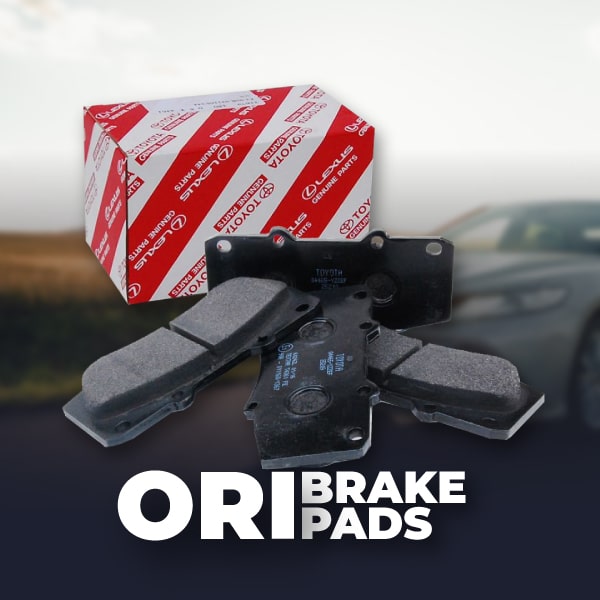
First, what are Genuine Brake Pads?
Genuine parts are components provided by the car manufacturer, carrying the automaker’s logo and packed in the official factory packaging.
For example, if your car’s original brake pads are made by Sangsin, then the genuine part would be:
Sangsin production + automaker packaging + anti-counterfeit label
Key features of Genuine Brake Pads:
Brand premium: Comes with the car manufacturer’s logo, e.g. “Toyota Genuine Parts”.
Full warranty coverage: Usually includes the same after-sales warranty as your vehicle.
Higher price: Besides of production costs, the price also including branding, distribution, and inventory expenses.
So, what is OEM?
OEM stands for Original Equipment Manufacturer — meaning the part is made by the same manufacturer who supplies components to the car brands, but it comes without the automaker’s logo or official packaging.
For example, Sangsin is the OEM brake pad supplier for many global carmakers such as Hyundai, Kia, certain Nissan and Toyota models, as well as General Motors.
In other words, it’s the same manufacturer and quality, just sold under the supplier’s own brand instead of the automaker’s packaging.
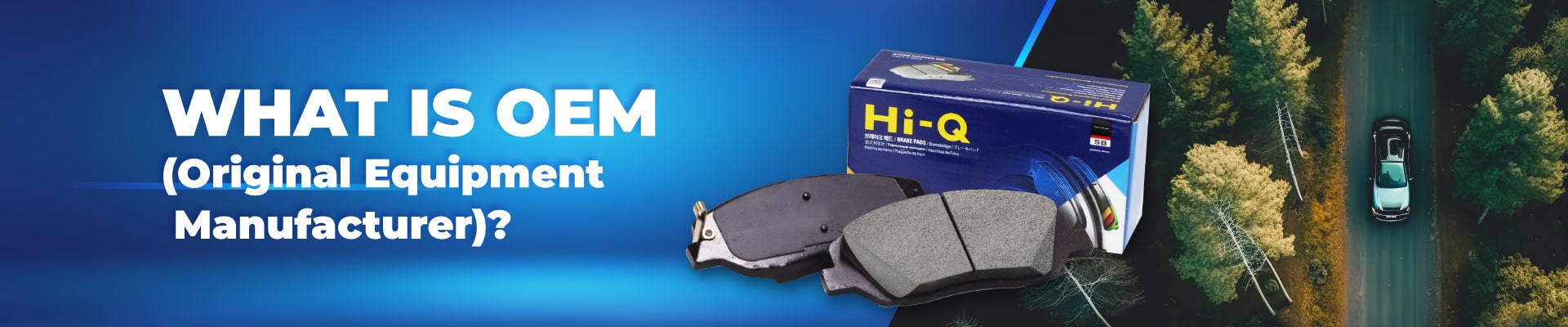
Key features of OEM Brake Pads:
Same production line: Manufactured using the same equipment and processes as genuine parts.
Identical technical standards: Produced according to the automaker’s design and quality requirements.
Different packaging: In the aftermarket, OEM parts like Sangsin brake pads are usually sold in Sangsin’s own brand packaging, not the car manufacturer’s box.
More affordable: Since you’re not paying for the automaker’s packaging and brand markup, the price is usually more cost-effective.
Example:
Your car’s genuine brake pads may have been produced by Sangsin for the automaker. But if you buy a set of Sangsin-branded brake pads from a parts shop, the material and performance are essentially the same as the genuine ones — only the packaging and price differ.
How should car owners choose?
If you’re budget-conscious and want the best value: Go for Sangsin OEM brake pads. The quality is almost the same as genuine parts, but the price is much more affordable.
If you want full factory warranty coverage: Choose Genuine parts, especially if your car is still under warranty.
Be careful with purchase channels: Whether OEM or Genuine, always buy from trusted sources to avoid counterfeits.
In summary:
Genuine Part = Made by Sangsin + Automaker packaging + Brand premium
OEM Part = Made by Sangsin + Sangsin’s own packaging + Better price
By understanding the difference between OEM and Genuine, you can make the choice that best fits your budget and needs. For most car owners, choosing OEM parts from the original supplier offers the best balance of safety, performance, and cost-effectiveness.
Share

Validate your login